How API Teams Compare Enzymatic vs Chemical Resolution Routes
For an API manufacturer, route selection is not a preference exercise. It is a risk decision across yield, impurity purge, solvent load, documentation, equipment fit, and supply continuity. When a chiral intermediate can be made by either chemical resolution or enzymatic transformation, the better route is the one that supports commercial control with the fewest downstream compromises.
Chiralift supports pharmaceutical process teams as a bulk enzyme supplier for pharmaceutical biocatalysis, with enzyme materials, technical documentation, and scale-up support aligned to route evaluation and manufacturing readiness.
The core comparison: selectivity versus operational familiarity
Chemical resolution often has the advantage of familiarity. Salt formation, crystallization, and classical resolving agents may fit existing plant assets and analytical workflows. The trade-off is that resolution can cap theoretical yield, introduce resolving-agent management, and require additional impurity purge steps.
Enzymatic routes can shift the decision framework. A biocatalytic step may deliver high enantioselectivity under milder conditions, reduce chiral auxiliary burden, and simplify the impurity profile. The trade-off is that the enzyme must be qualified like a process-critical raw material, with attention to lot consistency, storage, documentation, and performance under intended process conditions.
What process chemists typically evaluate first
1. Route fit with the existing synthesis
A biocatalytic step is strongest when it integrates cleanly into the route rather than forcing a redesign around the enzyme. Teams usually assess:
- Substrate solubility under acceptable solvent and aqueous conditions
- Compatibility with upstream impurities or residual reagents
- Product isolation approach after conversion
- Impact on salt forms, protecting groups, or downstream chemistry
- Reactor availability and mixing requirements
A chemical resolution may remain attractive when the racemate is readily available, the desired salt crystallizes cleanly, and the mother liquor strategy is economically acceptable. An enzymatic route becomes more compelling when stereochemical control can be introduced earlier, byproduct formation is reduced, or downstream purification becomes simpler.
2. Impurity control and purge logic
For API manufacturing, selectivity is only useful if impurity control is explainable. Teams compare the impurity profile generated by each route and the strength of the purge strategy.
Key questions include:
- Does the enzymatic step avoid difficult-to-purge chiral or structurally related impurities?
- Does chemical resolution introduce resolving-agent residues or salt-related impurities that require added controls?
- Are side products predictable across scale?
- Can the analytical method distinguish starting material, product, enantiomer, and relevant degradants?
- Does the chosen route reduce the number of impurity-carrying streams?
A well-selected enzyme can improve the impurity narrative by converting selectively and operating under milder conditions. However, the enzyme source, residual protein control strategy, and downstream clearance expectations should be discussed early.
3. Yield economics beyond the isolated step
Classical resolution can appear straightforward but may carry hidden yield penalties. If half the racemate is discarded, recycled, or racemized through an additional operation, the total route economics change.
Biocatalysis should be evaluated at route level, not only step level. Consider:
- Effective yield to the target stereoisomer
- Recycle burden for undesired enantiomer or unconverted substrate
- Solvent volumes and waste profile
- Number of isolations avoided or added
- Cost and availability of enzyme at campaign scale
- Robustness across expected substrate quality variation
The right comparison is not enzyme cost versus resolving agent cost. It is total cost of stereochemical control, including labor, plant time, waste, documentation, and failure risk.
When enzymatic resolution is often favored
Enzymatic routes tend to deserve serious evaluation when one or more of the following are true:
- The chemical resolution has poor recovery of the desired enantiomer
- The resolving agent is expensive, supply-limited, or difficult to purge
- Downstream purification is being driven by chiral or closely related impurities
- The substrate tolerates mild aqueous or mixed-solvent processing
- The route benefits from early installation of chirality
- Commercial scale requires a cleaner impurity and waste profile
- The project needs an alternative route to improve supply resilience
This does not mean enzymatic processing is always the best answer. It means the route should be compared with realistic process data, not dismissed as a screening curiosity.
When chemical resolution may remain the practical route
Chemical resolution can remain appropriate when:
- The salt formation and crystallization are already robust
- Undesired enantiomer recycle is practical and controlled
- Existing equipment gives a clear manufacturing advantage
- Enzyme compatibility with the substrate matrix is weak
- The product isolation from a biocatalytic mixture adds complexity
- Regulatory history favors minimal route change at the current lifecycle stage
For late-stage or validated processes, the decision may be less about theoretical superiority and more about change control, comparability, and risk to supply.
Documentation expectations for enzyme-supported routes
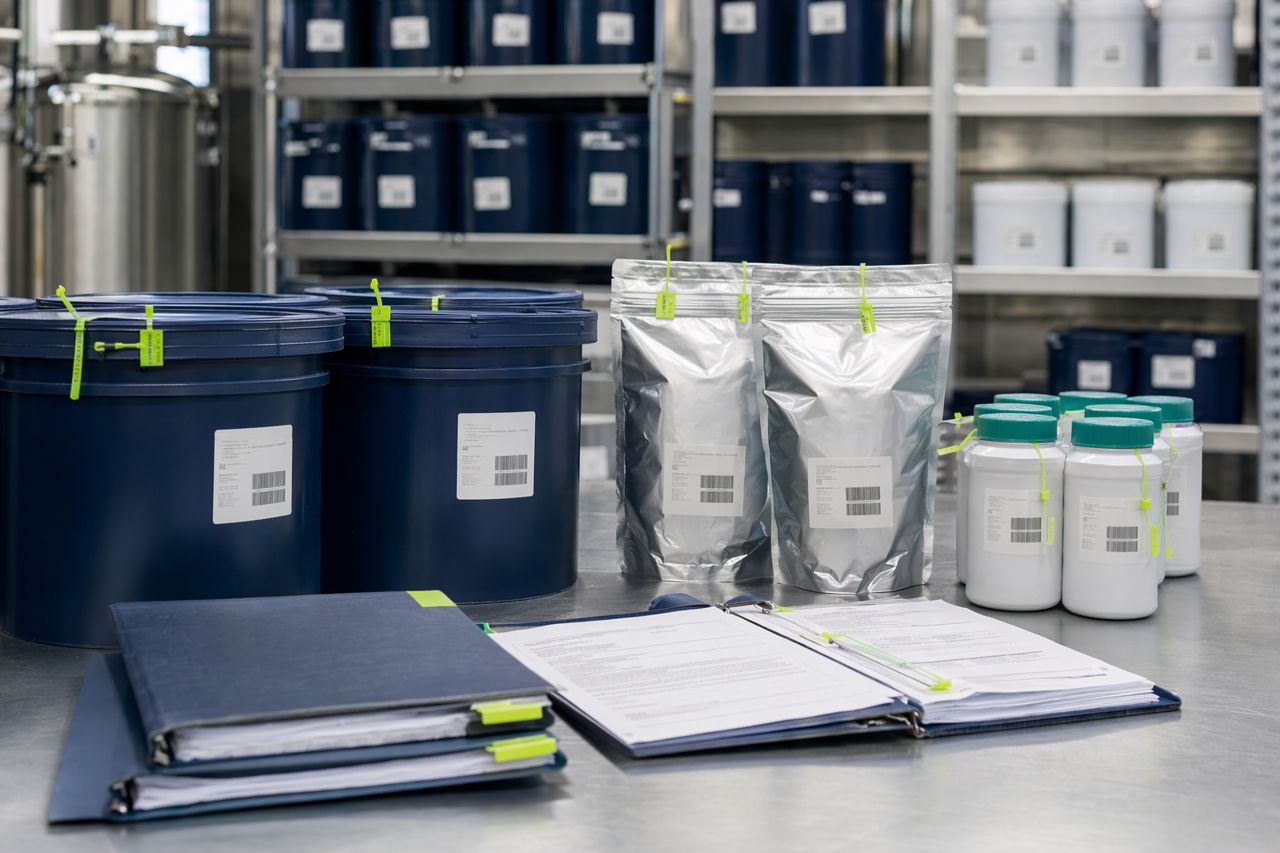
API teams need more than a promising catalyst sample. Before committing to a biocatalytic route, request documentation that supports internal quality, regulatory, and procurement review.
Typical expectations include:
- Product specification and certificate of analysis
- Manufacturing and quality-system overview appropriate for raw material qualification
- Lot traceability and change notification practices
- Storage, handling, and retest guidance
- Residual material and process clearance discussion support
- Supply capacity and lead-time visibility for scale-up and commercial demand
- Technical support for process development and troubleshooting
Chiralift’s role is to help teams assess enzyme fit without overstating what the catalyst can solve. A good enzyme supply partner should clarify constraints early, support data generation, and align material availability with the route development timeline.
A practical comparison matrix
Use this structure when comparing enzymatic and chemical resolution options:
| Decision area |
Chemical resolution question |
Enzymatic route question |
| Stereochemical control |
Is selectivity dependent on crystallization robustness? |
Is selectivity maintained under intended process conditions? |
| Yield |
What is the true recovery after recycle or racemization? |
What is the route-level yield after isolation and workup? |
| Impurities |
Are resolving-agent residues and salt impurities controlled? |
Are enzyme-related residuals and side products understood? |
| Operations |
Does the route fit existing crystallization assets? |
Does the route fit mixing, temperature, solvent, and workup capabilities? |
| Supply |
Is the resolving agent secure at scale? |
Is enzyme supply reliable for development and campaign volumes? |
| Documentation |
Is the chemistry already supported by established controls? |
Is enzyme documentation sufficient for raw material qualification? |
| Lifecycle |
Is the route acceptable for the current filing stage? |
Does the enzymatic route justify development, validation, or post-approval change effort? |
Scale-up questions to ask before route commitment
Before selecting the route, align chemistry, analytical, manufacturing, quality, and procurement teams on the following:
- What is the acceptable impurity profile entering the next synthetic step?
- Which route has the simpler purge argument?
- Does the route reduce or increase solvent handling and waste treatment burden?
- Can the enzyme or resolving agent supply be secured for the expected campaign plan?
- What documentation will quality require before plant introduction?
- What are the failure modes at scale, and how will they be monitored?
- Does the route support the product lifecycle strategy, including future volume increases?
Embedded explainer video
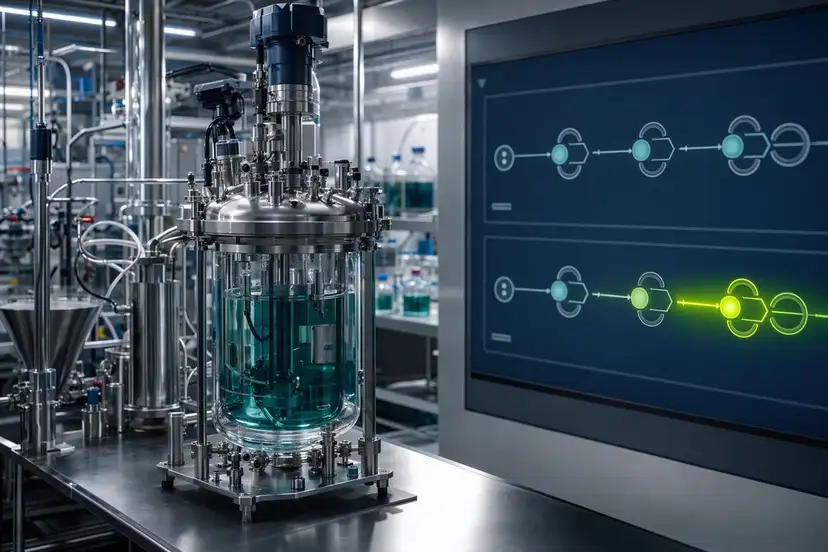
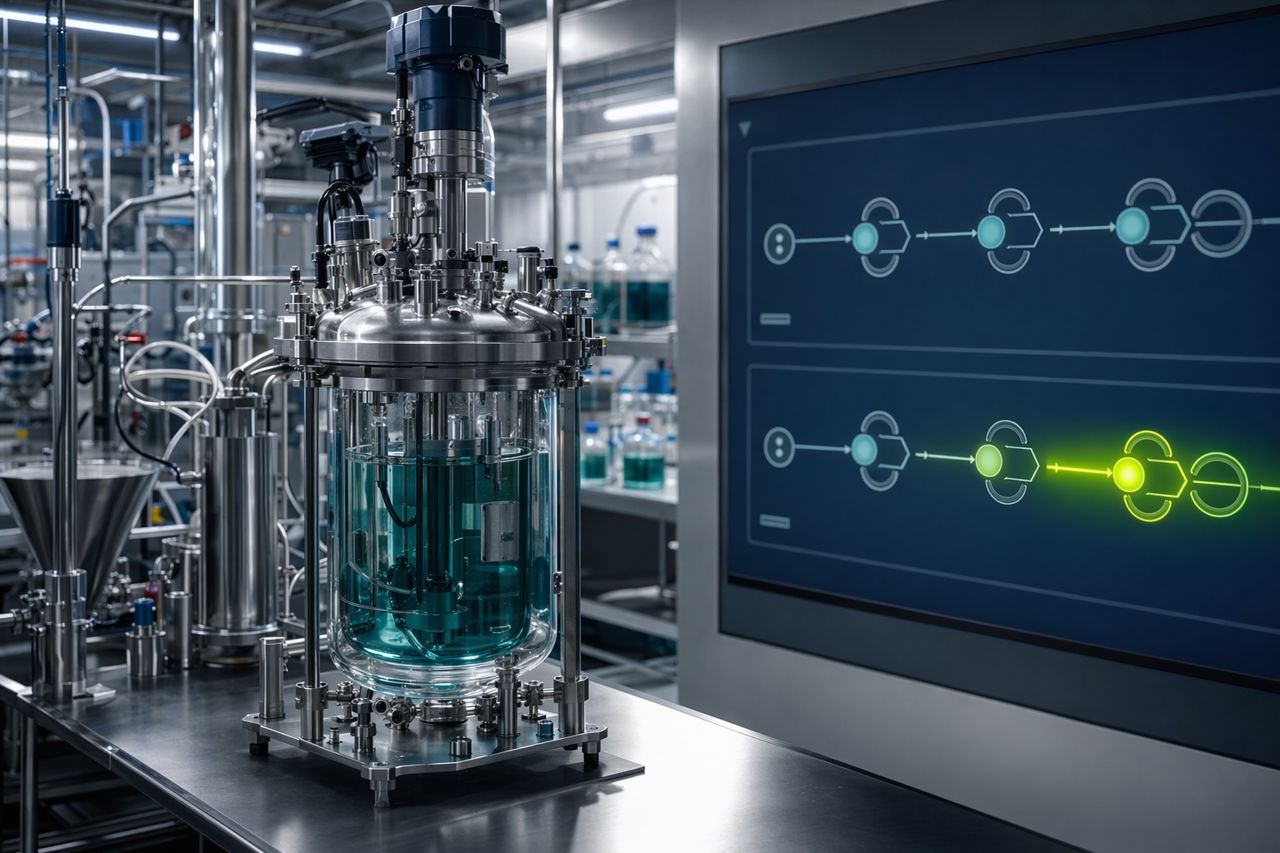
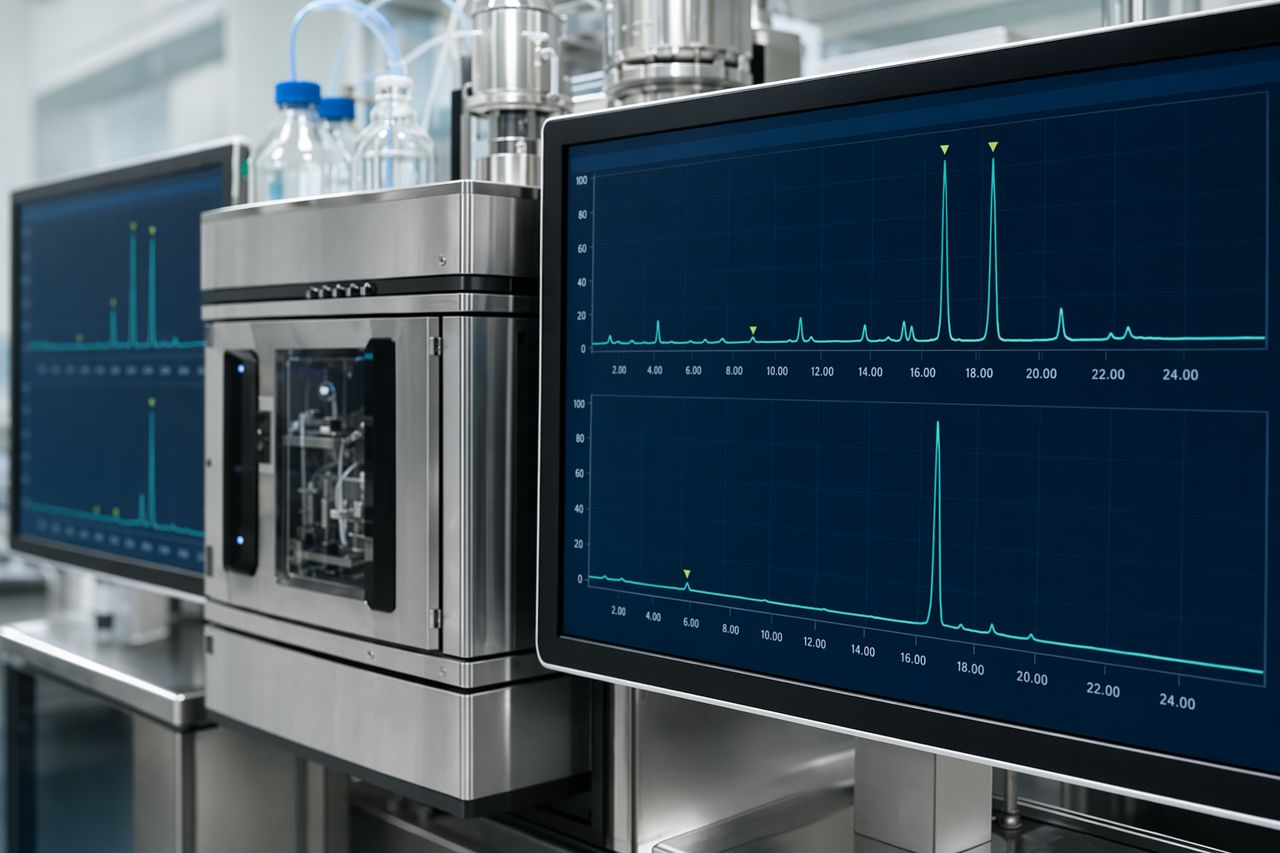
A one-minute faceless explainer video on this page summarizes the evaluation logic: route fit, impurity control, yield economics, documentation, and scale-up confidence. The visual system uses dark-blue route maps, stainless process equipment, chromatography traces, and neon-lime enzymatic transformation highlights to keep the explanation technical and process-focused.
Request a quote for route-fit enzyme support
If your team is comparing enzymatic and chemical resolution routes for a chiral API intermediate, Chiralift can help review the process target, supply requirements, and documentation expectations.
Request a quote through the on-site contact form and include the substrate class, intended transformation, development stage, required documentation, and expected scale. A technical representative will respond with suitable enzyme options, supply path, and next-step recommendations.