Lab-to-Kilo Enzyme Ordering Mistakes That Delay API Campaigns
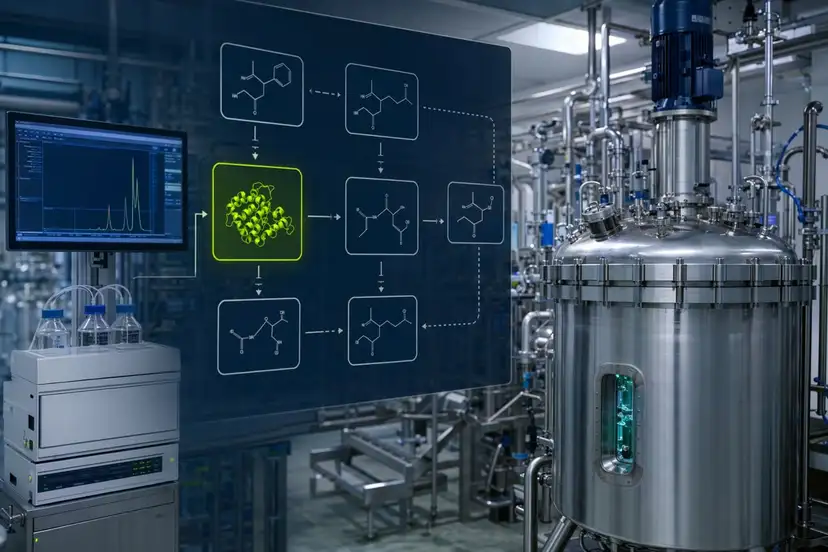
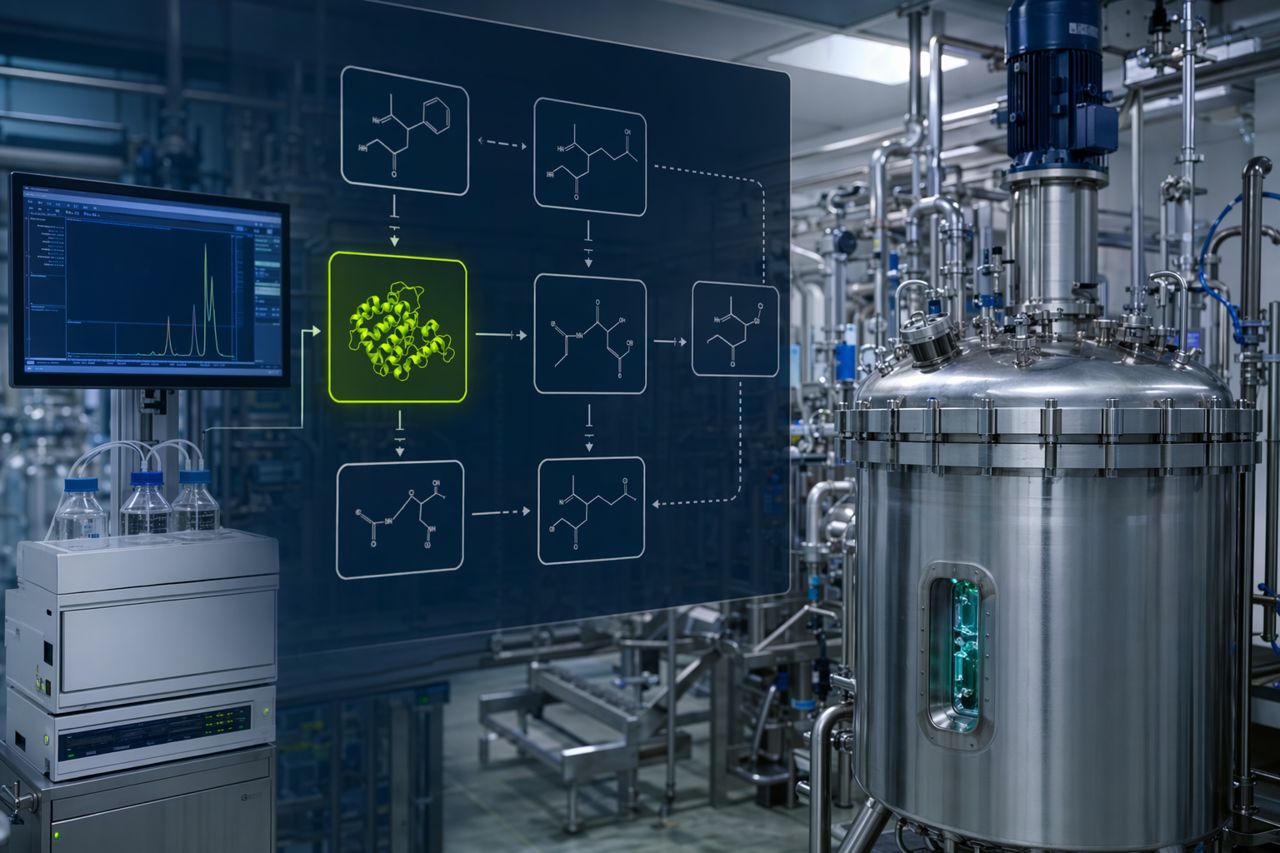
A biocatalytic step can look robust in discovery and still create avoidable friction when the API route moves toward kilo production. The issue is rarely the enzyme alone. Delays usually come from ordering decisions made before the process context, quality expectations, and campaign timing are fully aligned.
For a pharmaceutical API manufacturer, the right bulk enzyme supplier for pharmaceutical biocatalysis should help de-risk the transition from lab result to controlled production input. That means route-fit discussion, impurity awareness, supply planning, and documentation discipline before the purchase order becomes urgent.
Below are the ordering mistakes Chiralift sees most often during lab-to-kilo transition.
Mistake 1: Ordering from a lab result, not a process definition
A small-scale screen may identify a promising catalyst, but it does not define the production requirement. Before ordering enzyme for kilo work, the procurement package should capture the operating environment that matters to scale-up.
Key inputs include:
- Substrate identity and expected impurity profile
- Desired transformation and stereochemical target
- Solvent system or co-solvent exposure
- Temperature, pH, and hold-time constraints
- Anticipated enzyme form and handling preference
- Workup and downstream purification sensitivity
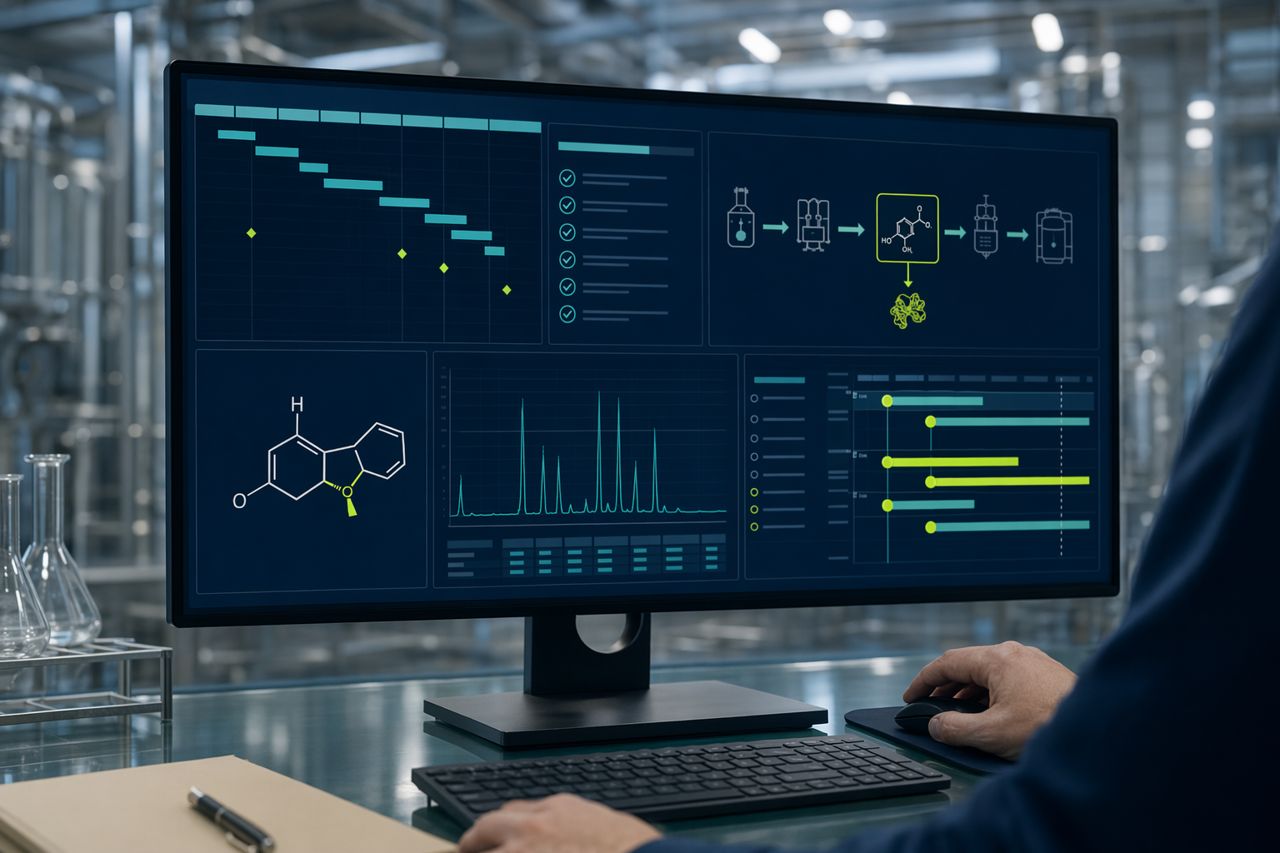
- Campaign timing and batch sequence
When these details are missing, the order may be technically correct but operationally incomplete. The result is rework, additional qualification, or a second procurement cycle.
Mistake 2: Treating enzyme grade as a generic buying choice
For API manufacturing, enzyme grade is not only a commercial label. It affects documentation expectations, change control conversations, impurity strategy, and release planning.
A process chemist should confirm what the campaign requires before ordering:
- Certificate of analysis expectations
- Lot traceability requirements
- Allergen, animal-origin, or fermentation-related declarations when relevant
- Residual host-cell or process-derived impurity considerations
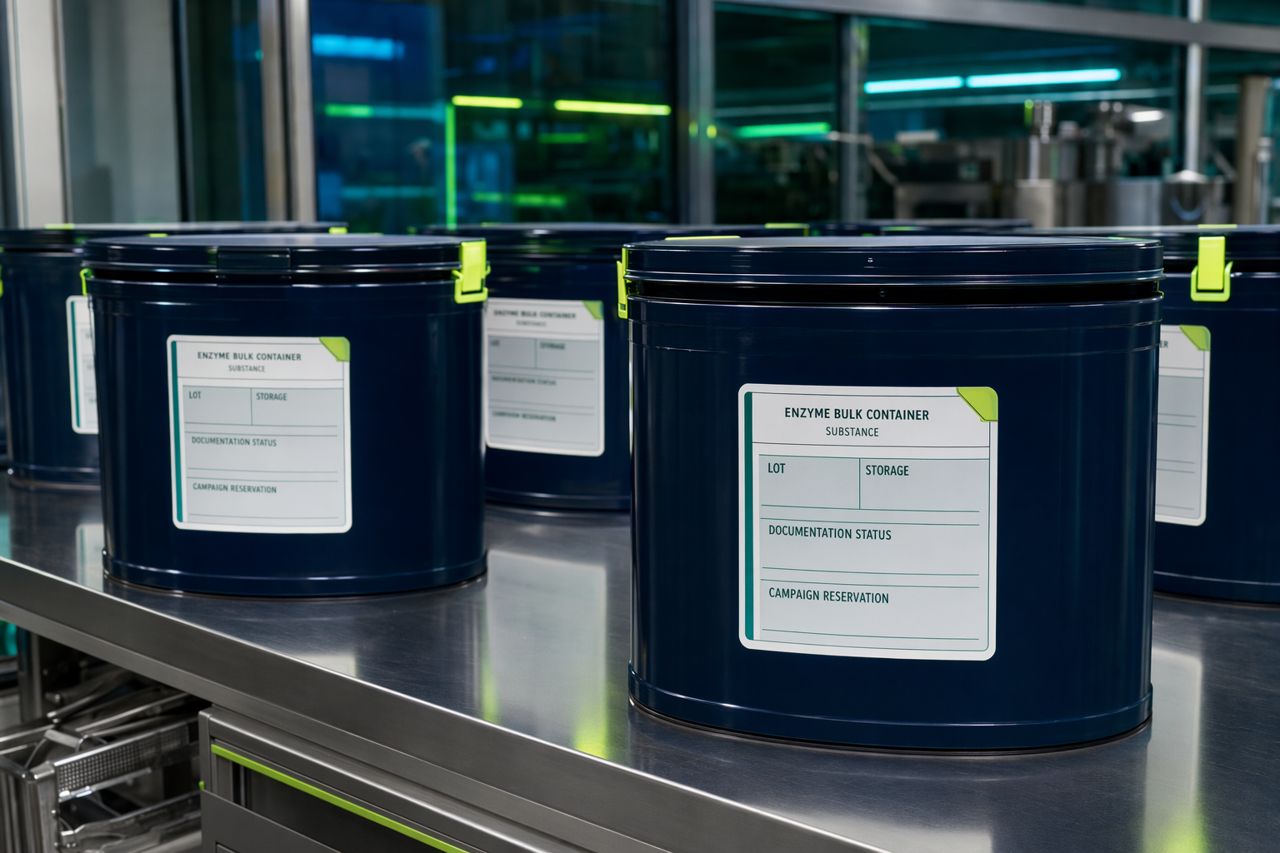
- Packaging and labeling format for GMP-adjacent workflows
- Retain sample or lot reservation needs
If quality documentation is requested after the material ships, the enzyme can arrive before the batch record is ready to accept it.
Mistake 3: Ignoring impurity control until after scale-up
Biocatalysis is often selected to improve selectivity, reduce harsh chemistry, or simplify route design. Those advantages can be reduced if impurity risk is not discussed early.
At kilo scale, enzyme ordering should consider how the catalyst interacts with:
- Starting material impurities
- Product-related stereoisomers
- Side reactions from extended hold times
- Matrix effects from solvent, salt, or cofactor systems
- Downstream filtration, extraction, crystallization, or chromatography
The enzyme does not need to solve every impurity challenge, but the supplier should understand where the biocatalytic step sits in the impurity control strategy.
Mistake 4: Ordering too little for comparability work
Teams sometimes order only enough enzyme for the immediate kilo demonstration. That can create a gap if the same lot is needed for bridging, repeat batches, or process confirmation.
Better planning asks:
- Will the same enzyme lot be needed across multiple development batches?
- Is additional material required for hold studies, robustness work, or impurity investigations?
- Should a lot be reserved before the campaign window opens?
- Is the pack size aligned with real batch execution, not only calculated consumption?
A small mismatch at ordering can become a campaign-level constraint if a repeat batch is required and the original lot is no longer available.
Mistake 5: Waiting until procurement to discuss lead time
Enzyme supply is not the same as ordering a standard lab reagent. Bulk material may require production scheduling, documentation preparation, lot allocation, packaging confirmation, or import coordination.
Process teams should align with the supplier before the procurement deadline on:
- Required delivery window
- Forecasted campaign volume
- Lot reservation or staged shipment
- Temperature-controlled handling needs
- Documentation package timing
- Change notification expectations
The goal is simple: enzyme supply should support the API campaign schedule, not become the critical path.
Mistake 6: Not specifying enzyme form and handling constraints
The same enzyme candidate can create different operational realities depending on form, concentration, stabilizers, carrier material, moisture sensitivity, and storage conditions.
Before ordering, confirm:
- Powder, immobilized, or liquid format suitability
- Storage temperature and allowed handling window
- Ease of charging to the reactor
- Dust control or containment implications
- Compatibility with site procedures
- Disposal and cleaning considerations
An enzyme that performs well in the lab may still be difficult to introduce at plant scale if handling assumptions are not made explicit.
Mistake 7: Separating technical and commercial conversations
A low purchase price does not help if the enzyme arrives without the documentation, lead time, or batch consistency needed for the campaign. Technical and commercial evaluation should happen together.
For each candidate enzyme, compare:
- Route performance under relevant process conditions
- Supply availability at expected campaign scale
- Quality documentation readiness
- Lot consistency and change control communication
- Packaging, shipment, and storage requirements
- Supplier responsiveness during deviation or troubleshooting work
This is where a specialist bulk enzyme supplier can add value beyond material shipment.
Mistake 8: Assuming scale-up support begins after the order
The most useful supplier input often comes before the purchase order. Early discussion can identify whether the enzyme form, operating window, or supply path fits the route before the kilo batch is scheduled.
Chiralift supports pharmaceutical API manufacturers with enzyme selection, bulk supply planning, and technical discussion for biocatalytic transformations. We focus on practical route fit, impurity awareness, documentation alignment, and campaign readiness.
A better enzyme ordering checklist for lab-to-kilo API work
Before placing a bulk enzyme order, confirm:
- The biocatalytic transformation and stereochemical target are clearly defined.
- Process conditions reflect the intended kilo-scale route.
- Impurity risks have been discussed in the context of the API control strategy.
- The required quality documentation package is known before shipment.
- Lead time, lot availability, and campaign timing are aligned.
- Enzyme form and packaging fit the manufacturing site.
- Additional material is considered for repeat batches or comparability work.
- Technical and commercial stakeholders review the same assumptions.
Work with Chiralift before the campaign becomes urgent
If your lab route is moving toward kilo production, Chiralift can help define a practical enzyme supply path before procurement pressure builds. Share the transformation, process context, expected timeline, and documentation requirements, and our team will respond with a route-aware supply discussion.
Request a quote for bulk enzyme supply aligned with your API biocatalysis campaign.